
I am a PhD student at the University of Wyoming working on geological carbon storage, geochemistry, unconventional oil and gas resources, and machine learning applications in subsurface energy systems.
Education
Research Interests
- Geological carbon storage & CO₂ geochemistry
- Rock physics modeling (DEM, Gassmann)
- Seismic monitoring & CO₂ detectability
- Unconventional oil & gas resources
- Physics-informed machine learning
- LLM development & agentic AI for scientific computing
Publications
A Critical Review of Physics-Informed Machine Learning Applications in Subsurface Energy Systems
Geoenergy Science and Engineering · Elsevier · August 2024
arXiv · August 2025
Class VI Database project: Drill-stem test data from Sweetwater County, Wyoming, USA
Data in Brief · Elsevier · August 2025
Unconventional Resources Technology Conference · SPE/AAPG/SEG · June 2023
Feasibility of Repurposing Oil and Gas Wells for Geothermal Energy Production in Wyoming, USA
Rock Mechanics/Geomechanics Symposium · ARMA · June 2024
Rock Mechanics/Geomechanics Symposium · ARMA · June 2023
Rock Mechanics/Geomechanics Symposium · ARMA · June 2023
Projects
Carbonex
A suite of tools for CO₂ geological storage research—combining physics-informed solubility estimation with LLM-driven geochemical and rock physics simulation.
Carbonex App
A web-based platform for high-accuracy estimation of CO₂ solubility in multi-salt brines across a wide range of pressures, temperatures, and salinities. Uses a physics-informed neural network trained on simulation data and fine-tuned on experimental data with a modified physics-enforcing loss function.
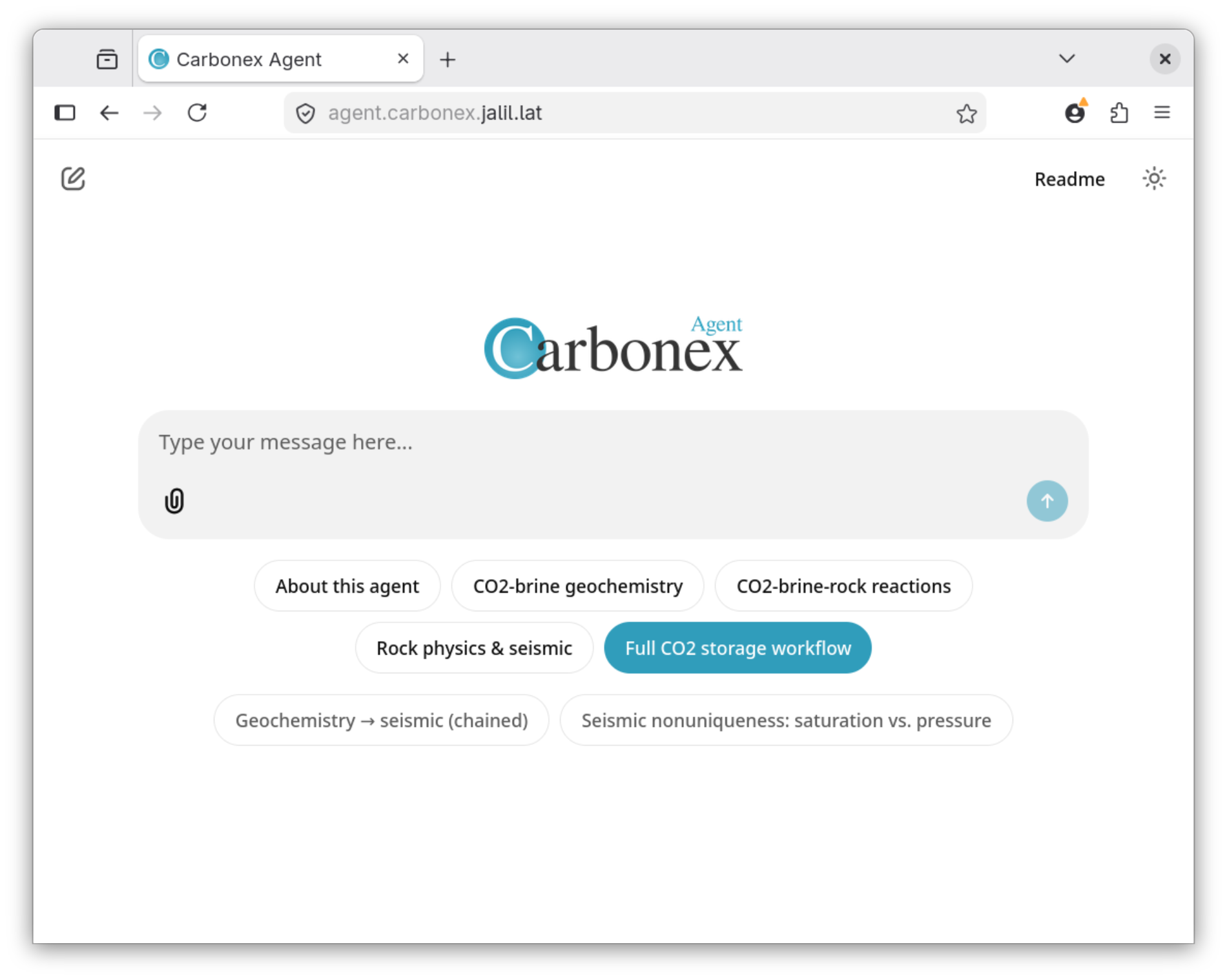
An LLM agent (Gemini 2.5 Flash) for CO₂ geological storage research. It drives validated PHREEQC geochemistry and carbonate rock physics simulations via tool calling, and interprets the results in natural language. All values come from deterministic simulation tools—the agent never fabricates or estimates. Every run logs the full tool-call trace for reproducibility.
BladeStim
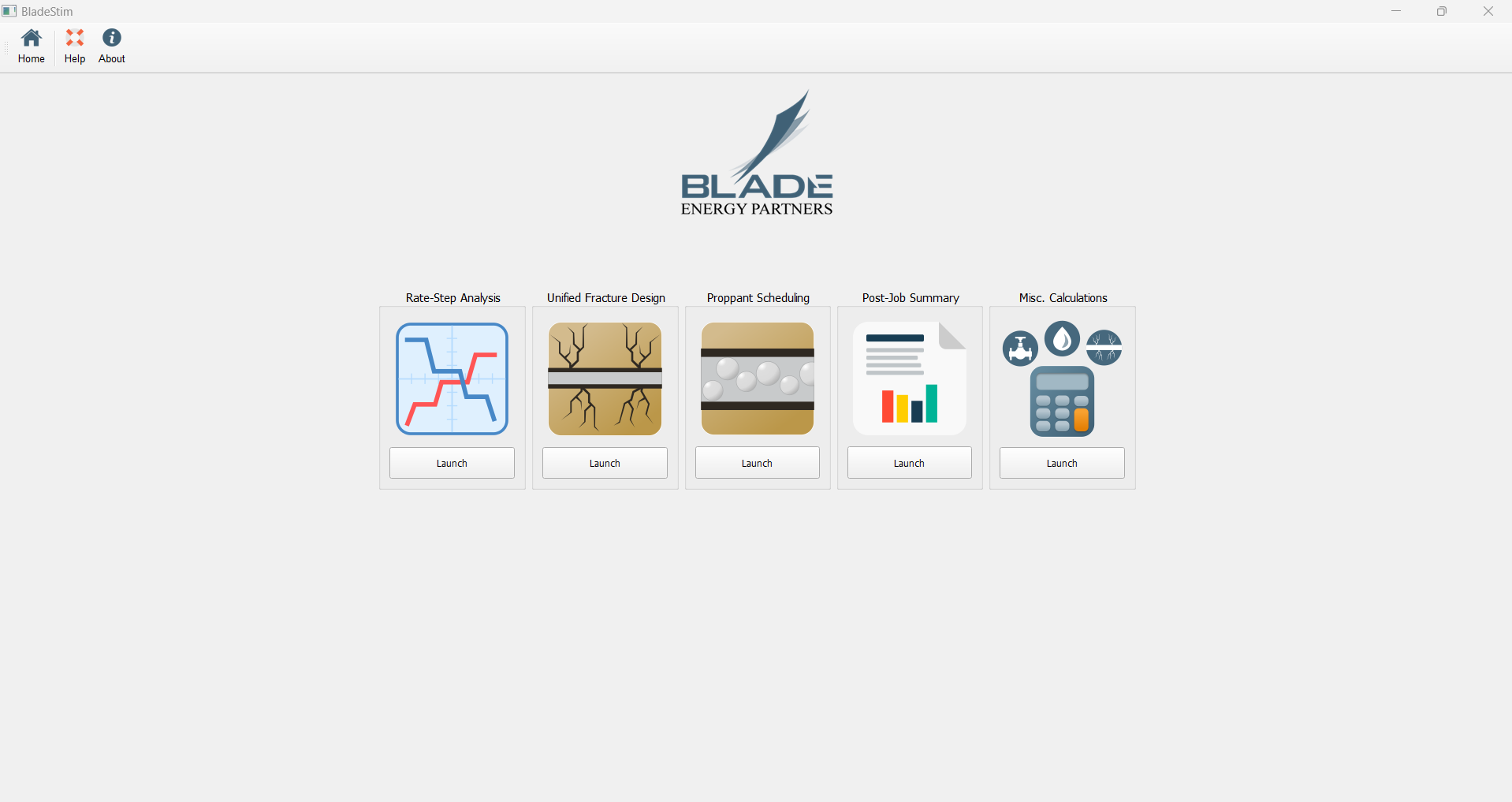
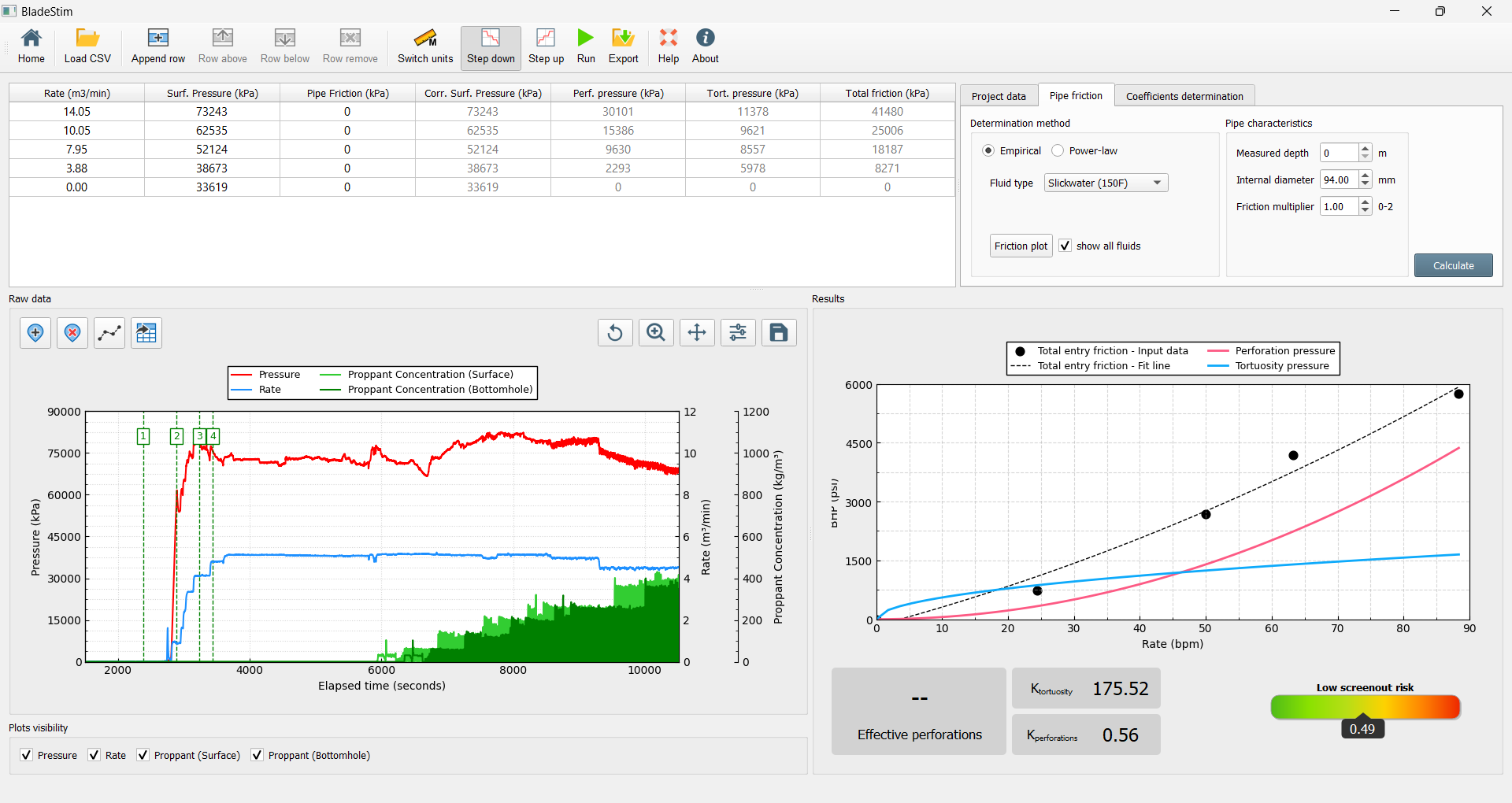
BladeStim, developed for Blade Energy Partners, is a multi-modular platform for data analyses and calculations related to completion and stimulation of hydraulically fractured oil and gas wells—including step-rate analyses and unified fracture design. It provides a streamlined workflow to import, clean, and process raw field data for visualization, analysis, and export.
Wyoming Class VI Site Characterization Database
A collaboration between the University of Wyoming, the Wyoming State Geological Survey, and the Wyoming Department of Environmental Quality to develop a geologic site characterization database compiled from public databases and scientific literature—aimed at expediting Class VI CO₂ injection well permitting in Sweetwater County within the Greater Green River Basin.